19 Jul 2026
Virtual Worlds Meet the Felt: VR Transforming Live Dealer Dynamics in Remote Venues
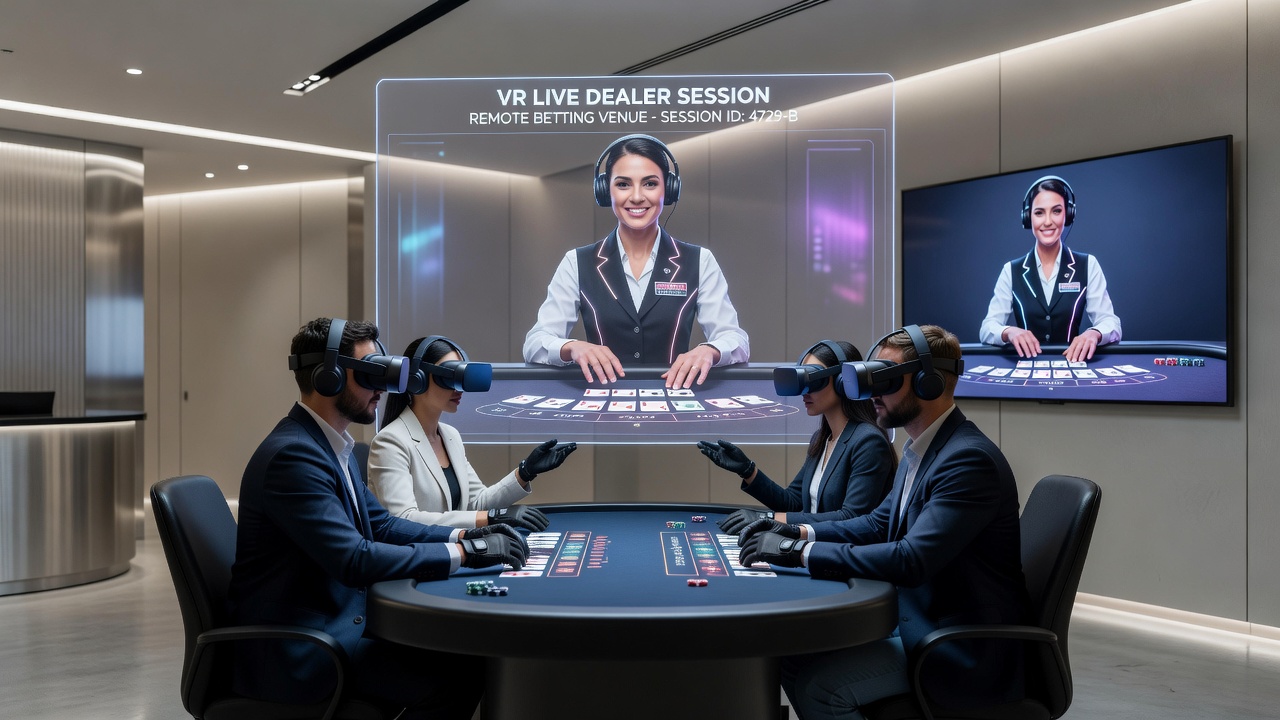
Virtual reality platforms now integrate with live dealer streams at remote betting sites, allowing players to enter simulated casino environments where they interact directly with real dealers through avatars and spatial audio. Data from industry reports indicate that these systems combine 360-degree video feeds with motion-tracked interfaces, creating environments where participants move around virtual tables and observe card shuffles from multiple angles.
Core Technologies Driving the Change
Hardware advancements such as lightweight headsets equipped with eye-tracking sensors and haptic gloves enable users to gesture naturally during gameplay, while software layers overlay real-time dealer footage onto rendered backgrounds. Research from academic institutions shows that latency reductions below 20 milliseconds maintain synchronization between physical dealer actions and virtual representations, preventing disruptions in game flow.
Operators deploy cloud-based rendering clusters that process multiple user perspectives simultaneously, supporting dozens of participants at a single table without performance degradation. Figures reveal that bandwidth requirements have dropped through adaptive streaming protocols, making these experiences accessible on standard fiber connections in urban areas across North America and Europe.
Enhanced Player-Dealer Interactions
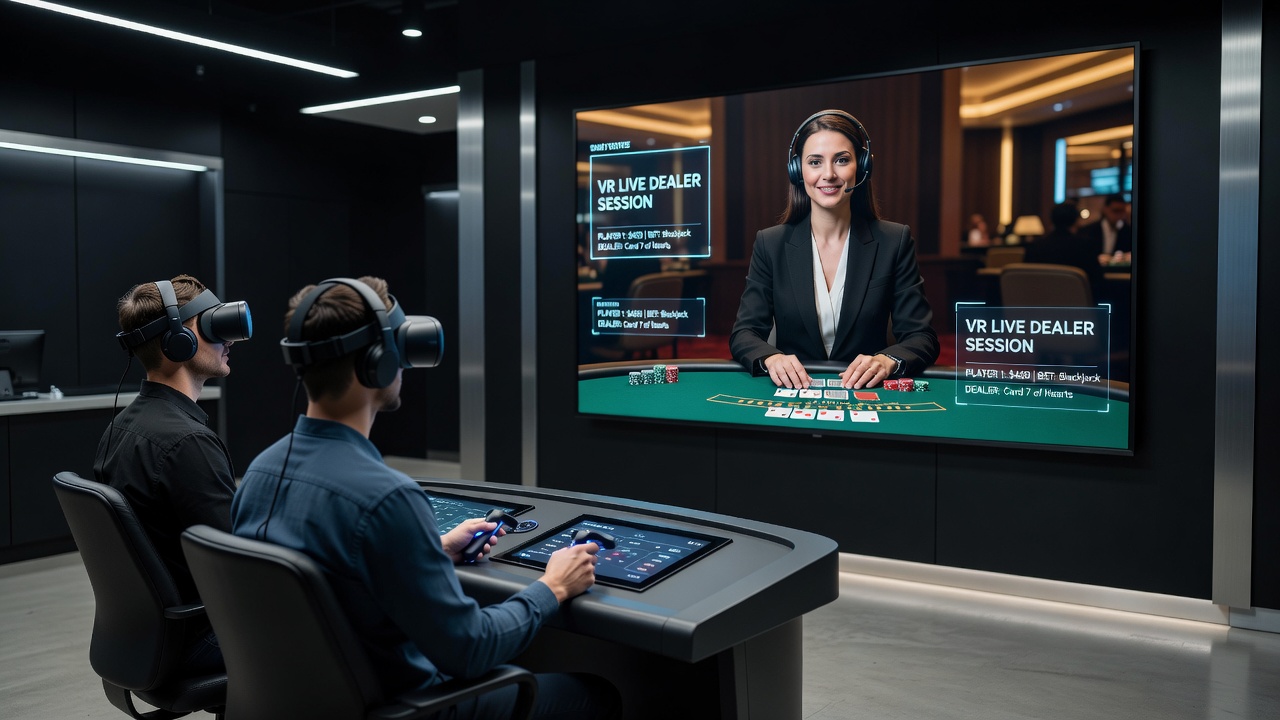
Live dealer sessions in VR allow verbal communication via integrated microphones and lip-sync features that match dealer expressions to spoken words, fostering exchanges that mirror land-based casino etiquette. Observers note that players can request card changes or place side bets through hand movements captured by controllers, reducing reliance on text chat systems common in traditional streams.
Case studies from platforms in regulated markets demonstrate that session durations increase when spatial audio isolates dealer voices from ambient table sounds, helping participants focus on specific instructions during complex games like blackjack or baccarat. Those who've studied adoption patterns report higher retention rates among users who complete orientation tutorials that teach gesture controls within the first five minutes of entry.
Regulatory Developments and Standards
Agencies outside the UK, including the Pennsylvania Gaming Control Board, have begun reviewing VR-specific compliance frameworks that address avatar authentication and data privacy during immersive sessions. These evaluations examine how operators verify player identity while maintaining the anonymity options available in standard remote setups.
Industry organizations such as the International Association of Gaming Regulators track pilot programs scheduled for rollout phases around mid-2026, with emphasis on equipment certification that aligns with existing technical standards for random number generators and payout verification. Evidence suggests that jurisdictions in Australia and parts of Canada coordinate with hardware manufacturers to establish testing protocols for motion-capture accuracy in live environments.
Implementation Across Gaming Verticals
Remote poker rooms represent one area where VR alters table dynamics, enabling players to observe opponents' avatar posture and timing tells during betting rounds. Roulette and craps tables benefit from positional audio that conveys wheel spins and dice rolls with directional accuracy, replicating the sensory cues found in physical venues.
Turnout data from early adopters indicates steady growth in multi-table participation, since users navigate between virtual stations without switching browser tabs or applications. What's interesting is how integration with existing payment processors remains unchanged, allowing deposits and withdrawals to proceed through the same channels used for non-VR sessions.
Challenges and Technical Limitations
Initial deployment faces hurdles related to headset compatibility across different operating systems, prompting developers to create cross-platform clients that support both standalone devices and PC-tethered units. Studies conducted by research groups at institutions like the University of Nevada highlight the need for standardized calibration procedures to accommodate varying user heights and reach distances at virtual tables.
Network stability in rural regions continues to constrain full immersion for some demographics, although satellite internet improvements show promise in bridging those gaps over the coming years. Operators address motion discomfort through adjustable field-of-view settings and gradual exposure modes that ease new users into prolonged sessions.
Conclusion
Virtual reality continues to reshape live dealer formats by merging physical dealer presence with digital interactivity, supported by measurable improvements in engagement metrics and technical reliability. Ongoing evaluations by diverse regulatory bodies and research entities provide the framework for broader implementation while addressing compatibility and access concerns. These developments position VR as an expanding component within remote betting ecosystems, with integration timelines aligned to hardware maturation and infrastructure upgrades worldwide.