7 Jun 2026
UK Scrutiny Intensifies Over Gambling Marketing Ahead of 2026 World Cup

Regulatory bodies across the United Kingdom have stepped up their examination of gambling advertising practices, with fresh attention directed toward marketing campaigns, sponsorship deals, and digital promotions that target operators including casinos and online platforms, and this development arrives as preparations for the 2026 World Cup gain momentum.
Public campaigns and political statements have highlighted concerns about exposure levels, particularly among younger audiences, while industry representatives note that existing codes already limit certain placements such as near schools or during children's programming; yet the conversation has expanded to include potential caps on social media promotions and restrictions on partnerships with sports teams or events.
Proposed Changes to Marketing and Sponsorship Rules
Discussions currently underway involve tighter guidelines on how operators may promote services through digital channels, where targeted ads and influencer partnerships have become common tools, and lawmakers have referenced examples from other jurisdictions where similar limits led to reduced visibility for licensed brands.
Sponsorship arrangements in football and other major sports face renewed questions, since several clubs maintain long-standing agreements with betting companies that appear on jerseys and stadium signage; data from industry reports indicate these deals generate substantial revenue, yet calls for phase-outs or labeling requirements have surfaced in recent parliamentary sessions.
Digital Promotions Under Review
Online promotions such as bonus offers and affiliate marketing programs represent another focal point, because these methods often reach users through search engines and social platforms where age verification can prove inconsistent; authorities have suggested that standardized disclosure rules and spending caps on such activities could form part of forthcoming measures.
Observers note that any new framework would need to balance operator compliance costs against the goal of reducing unsolicited exposure, while the timing aligns with broader 2026 regulatory trends that include reviews of player safeguards and tax structures.
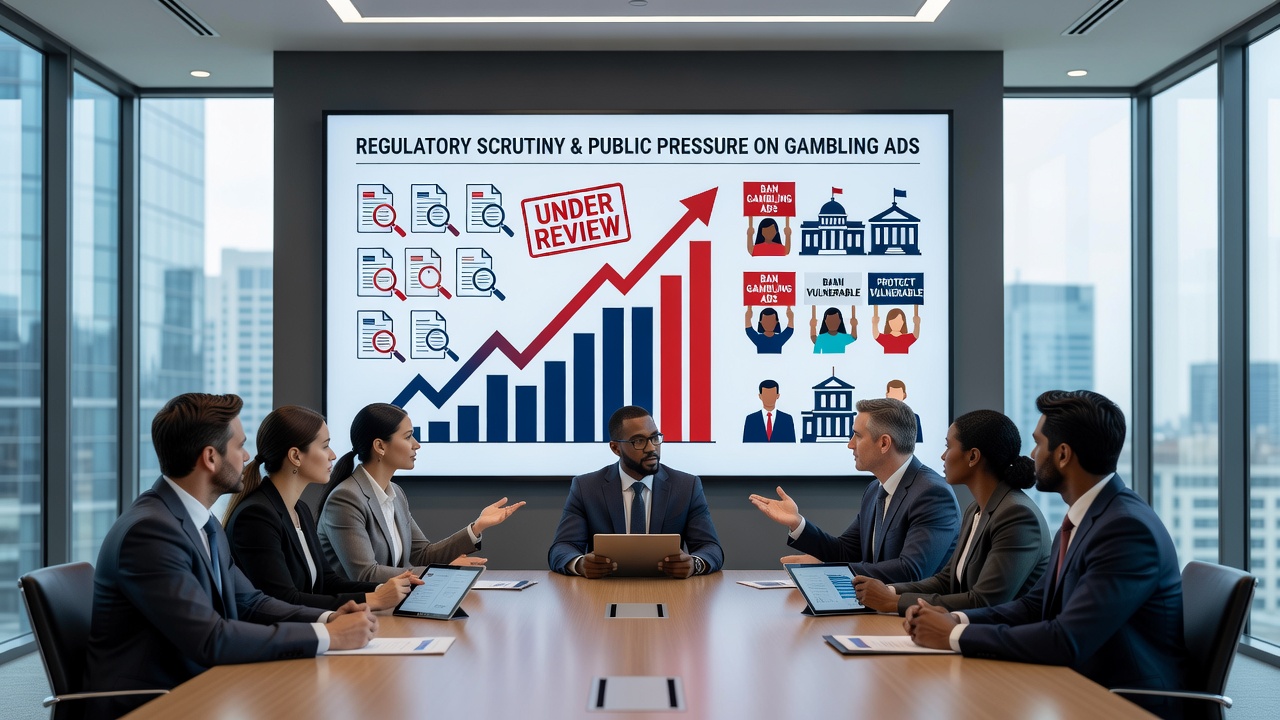
Consumer Protections Versus Market Displacement Risks
Advocates for stricter controls argue that reduced advertising volume could lower problem gambling rates by limiting impulse triggers, and they point to evidence from regions that implemented similar advertising curbs showing modest declines in help-seeking calls related to betting activities.
At the same time, analysts from international bodies such as the Responsible Gambling Council have documented cases where advertising restrictions coincided with growth in unlicensed offshore sites that operate beyond local oversight; these platforms often bypass consumer protections entirely, which raises questions about whether tighter rules on licensed operators might shift activity rather than reduce it overall.
Research compiled by academic groups in Australia and presented at cross-border forums indicates that illegal market share can increase when legal promotion channels narrow, because consumers still seek betting options and turn to unregulated alternatives that lack deposit limits or self-exclusion tools.
Context Ahead of Major Sporting Events in 2026
With the World Cup scheduled for mid-2026, advertising activity around football tends to peak during qualifying matches and build-up coverage, which places additional pressure on regulators to clarify rules before tournament advertising campaigns launch; June 2026 has emerged as a reference point for potential consultation deadlines that could shape final policies.
Industry associations have submitted position papers outlining how sponsorship transitions might occur gradually, whereas public health organizations have urged faster implementation to coincide with the event's visibility; the outcome remains subject to ongoing debate among stakeholders from government, sports governing bodies, and treatment providers.
Conclusion
Developments in UK gambling advertising oversight continue to evolve through a combination of regulatory review, political input, and industry feedback, with the dual considerations of consumer protection gains and potential shifts toward unlicensed operators forming central elements of the discussion; stakeholders across sectors monitor these processes as 2026 approaches, and further announcements are anticipated in the coming months.