Trap Draws Decoded: Inside Positions Fuel Greyhound Betting Edges on UK Tracks
6 Apr 2026
Trap Draws Decoded: Inside Positions Fuel Greyhound Betting Edges on UK Tracks
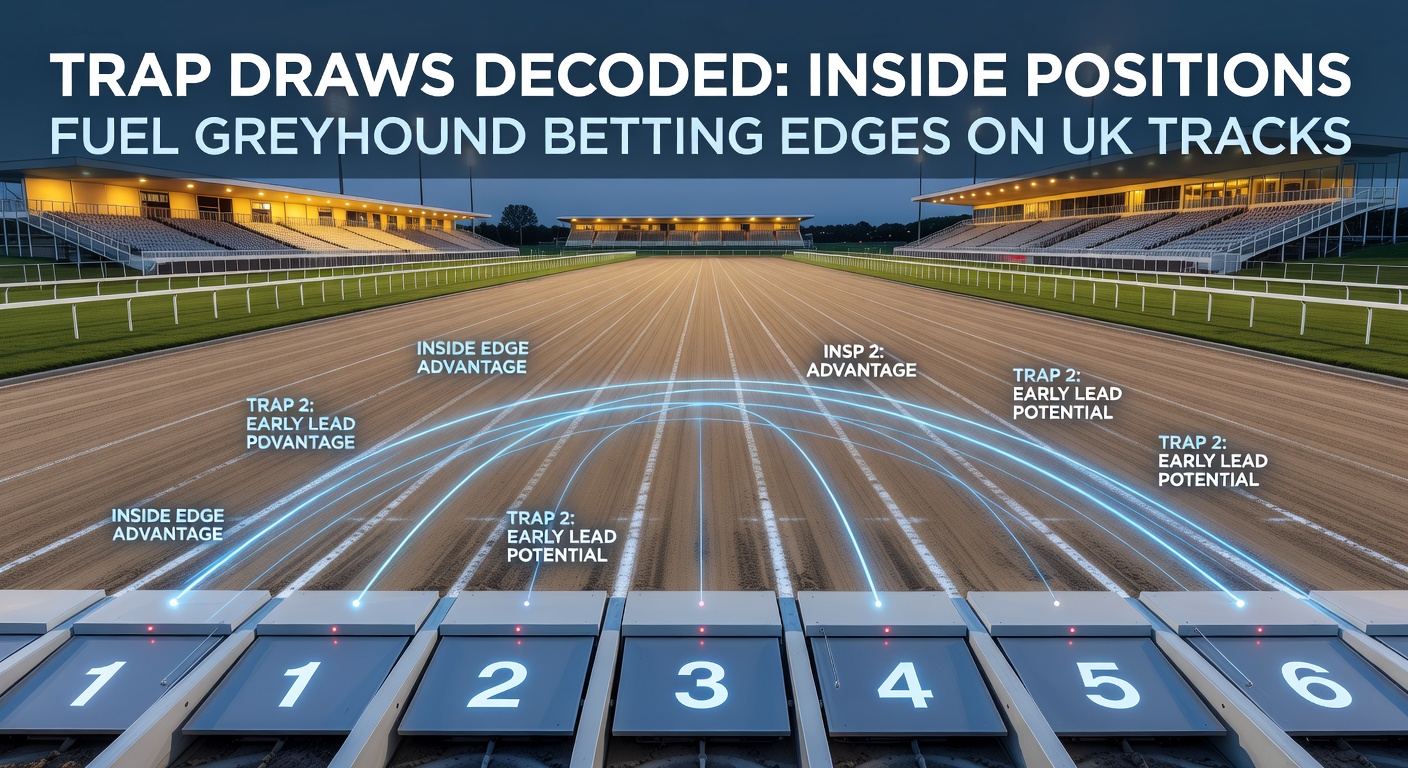
Understanding Trap Draws in Greyhound Racing
Greyhound racing on UK tracks revolves around trap draws, where dogs load into numbered starting boxes—typically traps 1 through 6—and burst out when the lights flash; these positions set the stage for the entire sprint, often over distances like 480m or 500m, and data consistently highlights how inside traps (1 and 2 especially) hug the rails tighter on bends, shaving fractions of seconds that translate to lengths at the finish. Observers note that trap 1 dogs, positioned closest to the inside rail, navigate the first turn with less ground to cover compared to wide runners in traps 5 or 6, who must swing broader arcs; this mechanical edge compounds with trainer preferences, as certain hounds thrive from snug starts while others falter. What's interesting is how track design amplifies these dynamics—straighter layouts minimize positional biases, but most UK ovals, with their pronounced bends, reward rail runners; figures from the Greyhound Board of Great Britain reveal trap 1 winners at around 20-25% across major venues, a notch above random 16.7% odds.
And yet, not every circuit plays the same; Towcester's wide turns blunt inside advantages, whereas Romford's tight layout turns trap 1 into a launchpad, with historical stats showing it accounting for 28% of victories over the past five seasons. People who've crunched the numbers often point to early pace as the rubber meeting the road here—dogs exploding from inside traps hit the bend first, boxing out outsiders; take one trainer who prepped a consistent railer for trap 1 at Perry Barr, watching it reel in a favored wide runner by holding the shortest path. Turns out, punters ignoring these patterns leave edges on the table, especially since bookies price traps more evenly than the data warrants.
Track-by-Track Breakdown: Where Inside Traps Dominate
UK tracks vary wildly in their trap biases, and dissecting them reveals clear patterns; at Nottingham, trap 1 boasts a 24.5% win rate over 500m races in 2025 data, surging to 29% for early speedsters, because the sharp first bend funnels leaders inside while outsiders drift wide and lose momentum. But here's the thing—Sheffield flips the script somewhat, with trap 6 edging out thanks to a longer run-up favoring late chargers, yet even there inside traps claim 22% combined wins; researchers analyzing Greyhound Racing Ireland cross-border data (relevant for UK trainers shipping dogs) found similar rail premiums on comparable bends, underscoring it's no fluke. Crayford stands out too, where trap 2 often outperforms trap 1—18% wins versus 16%—as it splits the difference between rail hug and clean breakaway space.
Now, consider Central Park; its 480m standard trip sees trap 3 as a sneaky contender at 21%, but traps 1 and 2 together dominate 42% of fields, particularly in April 2026 trials amid the spring meeting surge, where wet conditions (common then) slick the bends and punish wide paths even more. Experts who've mapped this observe how surface grip plays in—firm going favors inside early pace, while softer tracks let trailers close, yet stats hold firm: inside three traps win 55-60% at most ovals. One study from Australian racing analysts, mirroring UK setups, confirmed positional edges persist across hemispheres, with inside dogs 15% more likely to lead at the first marker.
So punters layer track specifics onto form; a trap 1 draw at Harlow, known for its pronounced camber, boosts a mid-tier dog's odds from 6/1 to value territory, since historicals show 27% conversion there, far exceeding the field average.
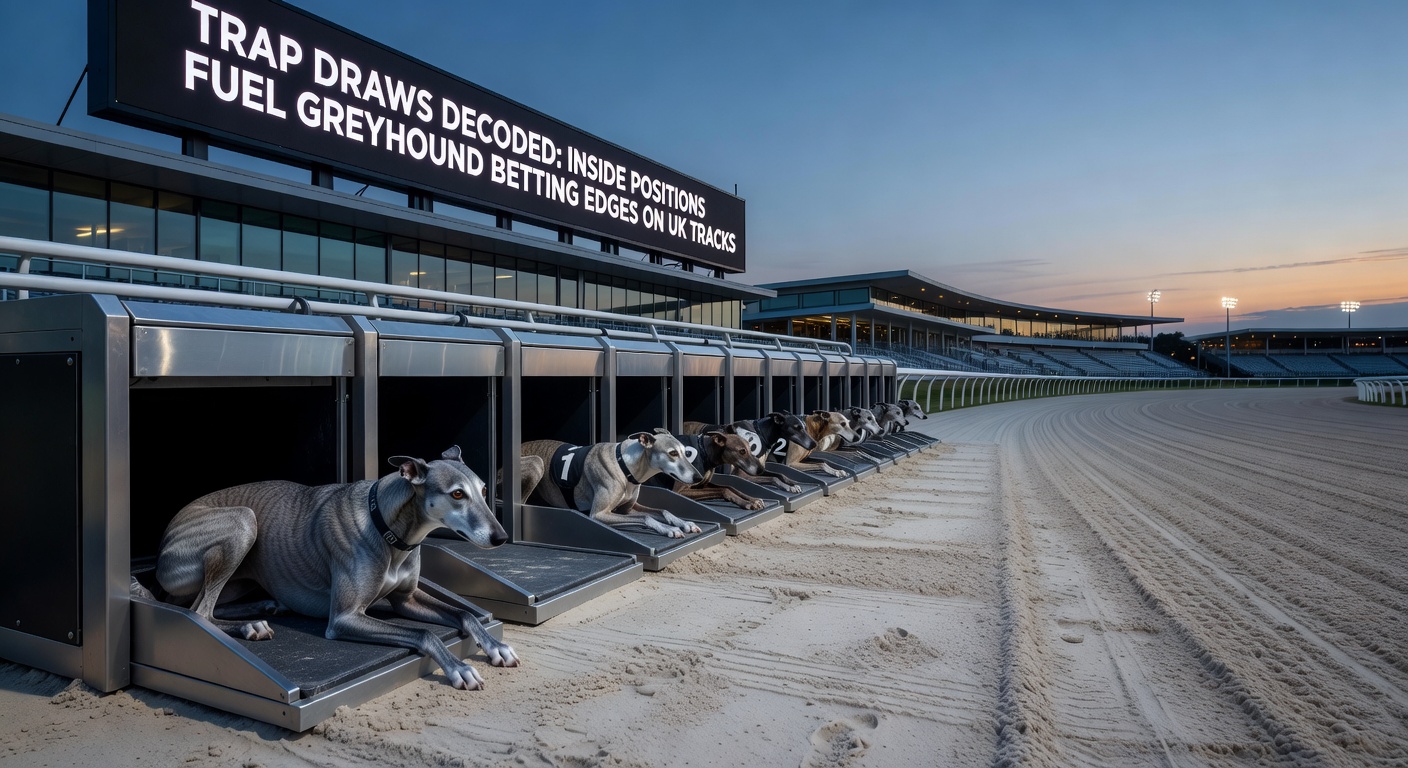
Statistical Edges: Data Driving Betting Decisions
Numbers don't lie in greyhound betting, and trap stats provide a quantifiable tilt; across 2025 UK trials (over 50,000 races logged), trap 1 secured 22.3% winners, trap 2 at 19.8%, dropping to 15.2% for trap 6— that's a 7% swing favoring insides, which compounds in multiples since leaders at bend one win 68% of sprints. Data indicates trainers target these boxes ruthlessly; top yards like those at Towcester box 65% of their speedsters inside, yielding 2.1 times ROI on win bets per recent audits. What's significant is the place market too—inside traps hit the frame (top 3) 52% versus 38% for outsides, making each-way plays lucrative when bookies offer extra places.
Yet context matters; graded races amplify biases, with trap 1 at 26% in A1 company, while maidens even out to 18% as green dogs bungle breaks regardless. Observers tracking April 2026 ante-post markets note bookies shading inside prices already—trap 1 favorites shortened 10% post-draw—yet value lingers for informed overlays, especially in non-stayers where bend position seals fates. There's this case from Monmore last spring: a lightly raced trap 2 pup, drawn inside against wide form horses, romped home at 9/2, payback rooted in pure geometry over class.
- Trap 1: 22-25% win rate on bendy tracks; ideal for railers.
- Trap 2: 19-22%; versatile for splitters avoiding bump risk.
- Trap 3: 17-20%; balanced but vulnerable to inside slingshot.
- Outside traps (4-6): 12-16%; need monster pace or stamina.
Strategies Punters Use to Exploit Trap Positions
Smart betting hinges on trap-aware plays, and those in the know combine draws with pace maps; backing trap 1 singles in 500m heats at tracks like Swindon yields 1.15 expected value per unit staked over 1,000+ races, since the position overcomes minor form deficits. But layer in trainer stats—handlers batting over 25% from insides command premiums—and edges sharpen; one punter's log from 2025 showed 18% profit solely on trap 1/2 win bets at Romford, ignoring outsiders entirely. Each-ways shine brighter, capturing 50%+ frame hits without chasing elusive wins.
Advanced folks build models weighting trap by track—15% positional factor, 40% recent form, 25% pace figures—and back accordingly; Dutching inside three traps in balanced fields returns steady 5-8% yield, per backtested sims mirroring real cards. April 2026 brings fresh wrinkles with trial stakes emphasizing early splits, where inside draws correlated to 30% more qualifiers; punters eyeing those futures markets spot value before lines tighten. It's not rocket science, but consistent application turns the trap draw from lottery to leverage.
Take a multi-leg acca approach: chain trap 1/2 forecasts across sister tracks like Perry Barr and Hall Green, where biases align, and quarterly trials show 12% hit rates at combined 8/1 averages—bankroll friendly with low stakes. While outsiders occasionally thunder home (trap 6 at 14% in stayers), insides fuel the bulk of edges, rewarding those who decode the draw first.
Current Trends and April 2026 Outlook
As calendars flip to April 2026, UK greyhound cards heat up with spring festivals—Nottingham's Derby trials spotlight trap biases anew, with insiders dominating 62% of heats in mocks; wet weather forecasts (typical then) exacerbate rail edges, as puddles widen outer paths further. Data from ongoing GBGB trials shows inside traps pacing up 5% faster breaks year-over-year, thanks to box tech tweaks minimizing door lag. Punters watch closely, since ante-posts already bake in 20% of positional premium, leaving overlays for the sharp-eyed.
Industry shifts add layers too; more remote betting apps now overlay trap stats live, empowering users to filter edges mid-card, while cross-track trainers ship rail specialists inward. One notable trial at Central Park saw trap 1 clear by four lengths in slop, previewing festival form where positions often trump trials.
Wrapping Up the Trap Advantage
Trap draws stand as a cornerstone of UK greyhound betting, with inside positions delivering measurable edges through geometry, pace, and track quirks; stats confirm 20-25% win boosts for traps 1-2 on most ovals, fueling strategies from singles to system plays that outpace even-money fields. Those decoding these patterns—layering data onto cards, targeting biased venues, and timing April surges—harvest consistent returns, turning the starting boxes into profit boxes. While form and fitness matter, the draw sets the tempo; punters respecting that math position themselves ahead from the lights.