14 Jun 2026
Tracing the Shift: How Fruit Machines Evolved into Immersive Video Slots Across UK Casino Floors
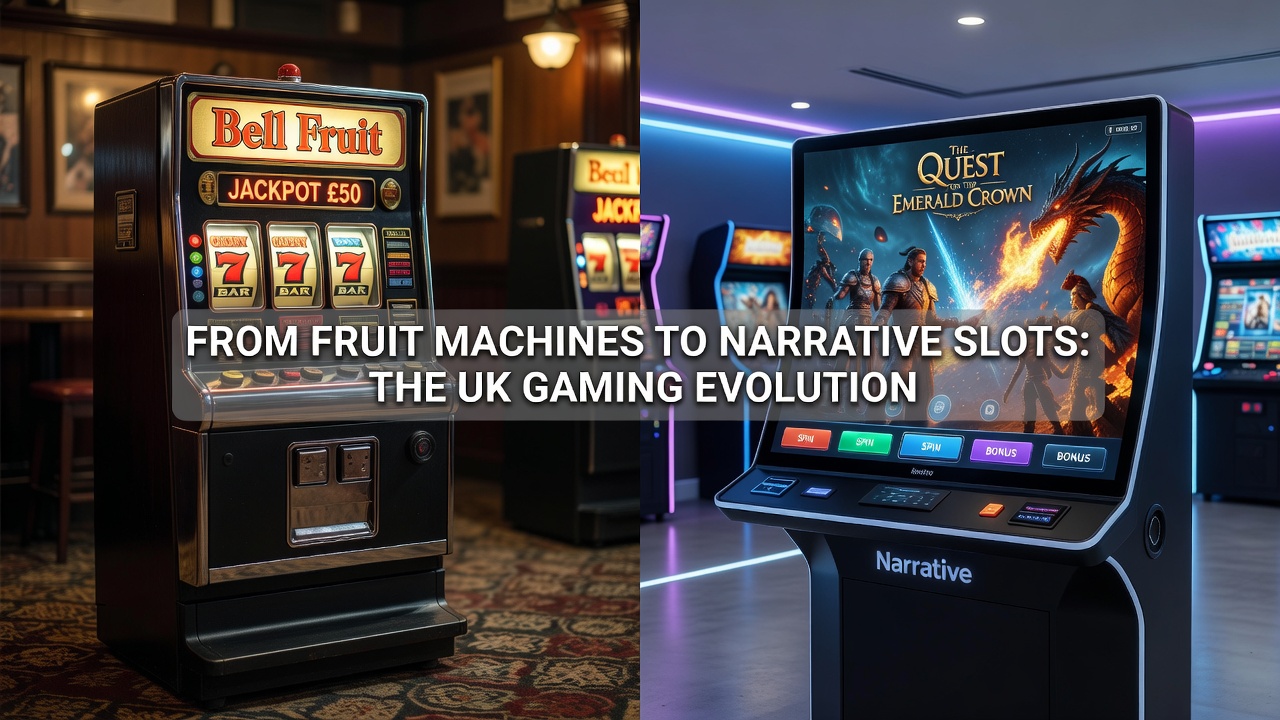
Classic fruit machines once defined land-based gaming spaces throughout the UK with their mechanical reels, limited symbols, and straightforward payout structures that relied on matching fruits, bells, and bars across three vertical columns. Those machines operated on electromechanical systems that delivered fixed outcomes based on physical stops, and operators installed them widely in pubs, arcades, and early casino venues where players inserted coins for short sessions focused on small, frequent wins. Data from industry records show these devices dominated floor space until the late 1990s when electronic components began replacing physical reels in many locations.
Early Mechanical Foundations
Manufacturers built early models with springs, levers, and stepper motors that advanced reels in predictable patterns, and those designs limited each game to a handful of possible combinations while enforcing strict house edges through fixed paytables. Players encountered the same core loop in venues from London to Manchester, and records indicate that fruit symbols appeared on over 80 percent of machines installed before 1995 according to archived supplier inventories. Observers note that maintenance crews replaced worn parts on-site, which kept machines running for decades and reinforced their reputation for durability rather than visual variety.
Introduction of Video Technology
Video screens replaced physical reels in the early 2000s as screen technology improved and software allowed random number generators to determine results independently of hardware stops. Casinos in major UK cities adopted these units first because digital displays permitted more symbols per reel and introduced animated sequences that filled downtime between spins. Figures from equipment distributors reveal that video-based cabinets accounted for roughly 35 percent of new installations by 2005, and venues began grouping them in dedicated zones separate from older mechanical banks.
Rise of Thematic Storytelling
Game developers layered narrative elements onto the new video platforms by creating characters, plot progressions, and multi-stage bonus rounds that unfolded across multiple spins. Studios licensed popular film and television properties so that players could encounter familiar settings while triggering features tied to story milestones, and this approach expanded reel counts to five or more while adding stacked wilds and expanding multipliers. Research conducted by the International Gaming Institute at the University of Nevada Las Vegas documented how narrative framing increased average session length in test markets during the 2010s, and UK operators incorporated similar titles once licensing agreements cleared regulatory review.

Contemporary venues now allocate significant floor space to cabinets that feature high-definition displays, surround sound, and touch interfaces that let players select dialogue options or explore virtual environments during bonus sequences. These machines integrate progressive jackpots linked across multiple sites, and operators report that such connectivity draws repeat visits because accumulated prizes appear on leaderboards visible throughout the gaming area. Data compiled by the Australian Gaming Council shows similar adoption patterns in comparable markets where themed video slots replaced single-line mechanical units within a decade of regulatory approval for digital formats.
Regulatory Context and 2026 Developments
New technical standards scheduled for rollout in June 2026 require all gaming machines in UK venues to meet updated software verification protocols that verify random outcomes and limit maximum stake per spin on certain categories. Venues have already begun auditing existing libraries to ensure compatibility, and suppliers have introduced modular cabinets that allow quick swaps of game themes without full hardware replacement. Observers note that these preparations coincide with broader shifts toward accountable play features such as on-screen session timers and voluntary spending caps that integrate directly into the slot interface.
Player Experience and Venue Adaptation
Modern video slots deliver layered experiences where base game spins advance secondary story meters that unlock additional content after set thresholds, and this structure encourages longer engagement compared with the instant resolution of classic three-reel machines. Venues have redesigned layouts to accommodate larger cabinets that require more power and cooling, and staff training programs now include software diagnostics alongside traditional mechanical repairs. Case studies from European operators indicate that mixed floors containing both legacy and narrative titles maintain foot traffic across demographic groups because different player preferences coexist within the same space.
Conclusion
The transition from mechanical fruit machines to narrative-driven video slots reflects successive waves of hardware and software innovation that have reshaped floor plans and player interactions in UK gaming venues. Records show steady replacement rates driven by supplier upgrades and venue refurbishments, while upcoming standards in 2026 continue to influence which titles remain operational. Operators track performance metrics across both formats to balance nostalgic appeal with contemporary expectations for immersive content.