30 Jul 2026
The Sound of Spins: How Audio Design Influences Playtime on UK Digital Reel Sites
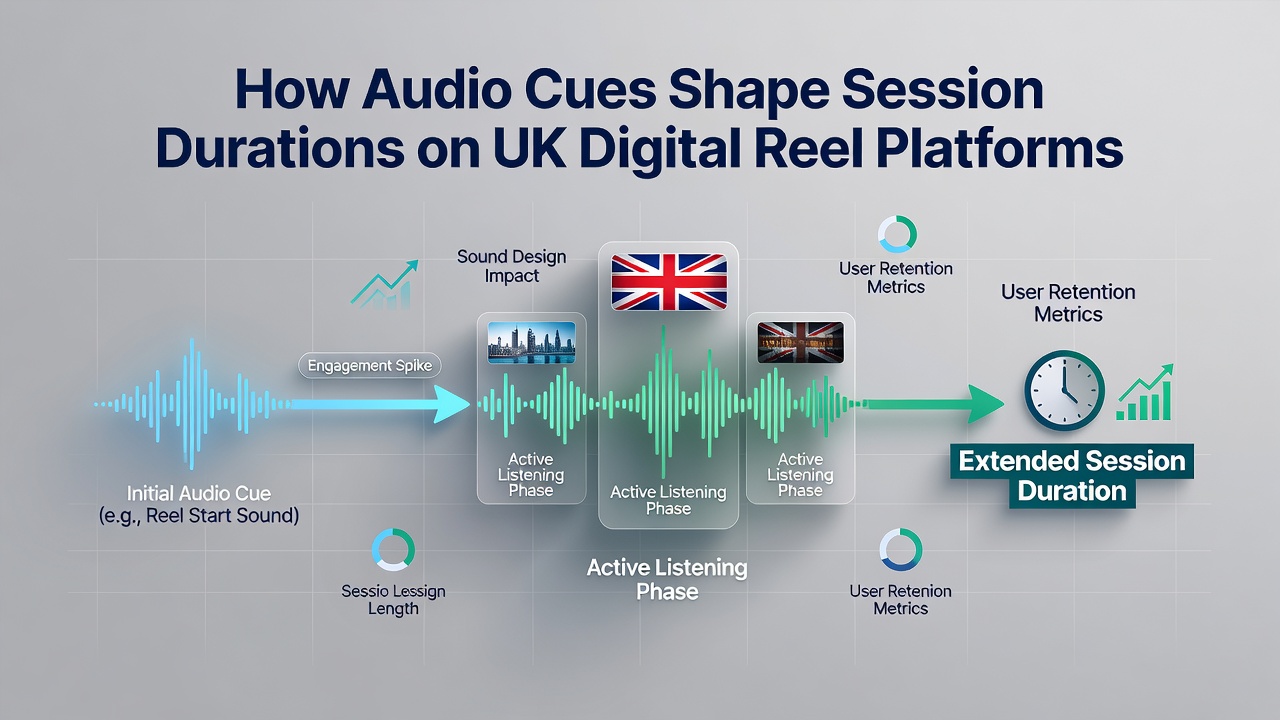
Audio cues form a core component of digital reel platforms across the UK, where sound effects, background tracks, and win notifications interact with player behavior in measurable ways. Data from multiple studies indicate that these auditory elements contribute to variations in session length, with certain sound patterns correlating to extended play periods on remote casino sites.
Core Audio Elements in Digital Reel Games
Reel platforms incorporate layered sound design that includes spinning reel noises, celebratory chimes for wins, and escalating musical cues during bonus rounds. Researchers at institutions such as the University of Nevada, Reno have documented how these elements activate reward pathways, creating feedback loops that encourage continued engagement. Near-miss sounds, for instance, often feature rising tones that mimic anticipation without delivering full payouts, and evidence from controlled experiments shows these patterns extend average session durations by noticeable margins.
Background music varies by game theme, shifting from steady rhythms during base play to intensified tracks when multipliers activate. Platforms adjust volume levels and frequency to match reel outcomes, and analysts note that consistent audio pacing helps maintain player attention across multiple spins. One study from a Canadian research group found that games using synchronized audio-visual rewards retained users for longer intervals compared to silent or minimal-sound variants.
Links Between Sound Patterns and Session Metrics
Session duration data collected from remote platforms reveal correlations between specific audio triggers and playtime. Celebratory sound bursts after small wins tend to prompt immediate re-spins, while prolonged silence after losses can lead to quicker exits. Observers tracking user behavior across multiple titles report that platforms employing dynamic audio scaling see higher retention rates in the 20-to-40-minute range, a window where cumulative sound exposure builds momentum.
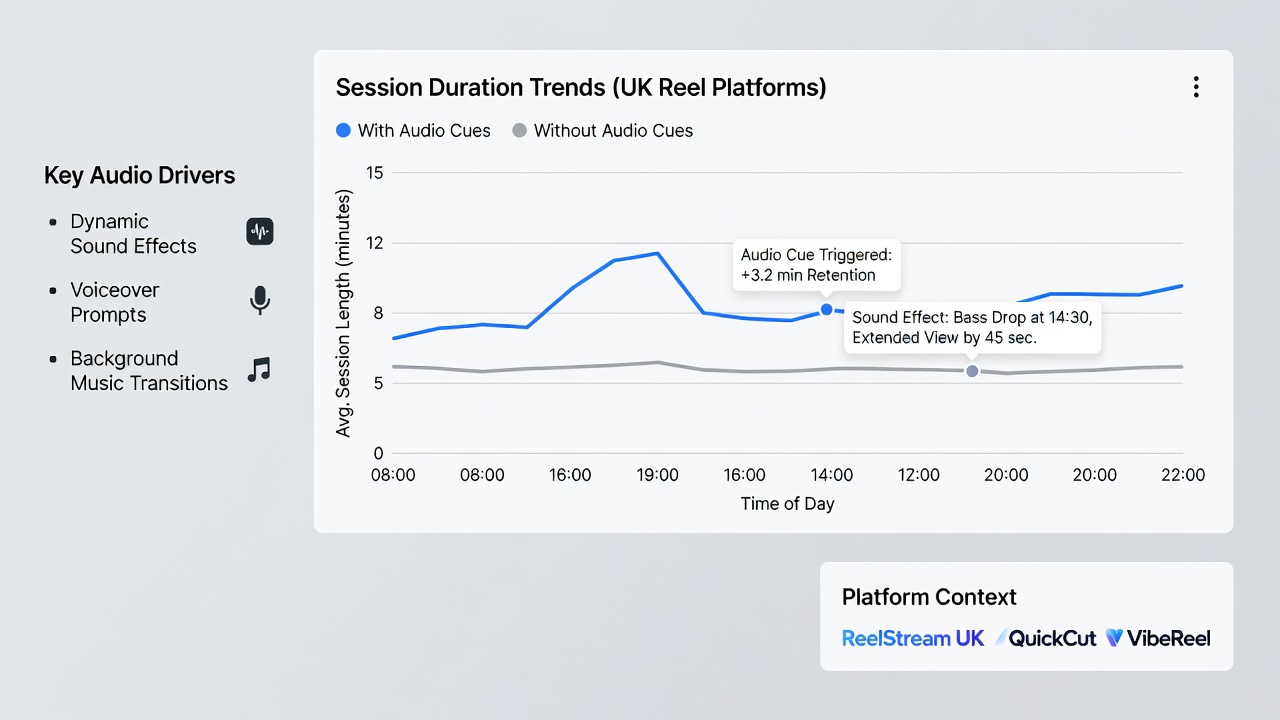
Sound frequency also plays a role. High-pitched win indicators appear more often in titles designed for rapid play, and figures from academic reviews suggest these cues reduce the perceived time between bets. In contrast, lower-frequency ambient tracks in progressive jackpot games foster a slower pace that aligns with longer overall sessions. Those who study gambling mechanics point out that audio continuity across consecutive spins minimizes interruptions, allowing players to settle into extended sequences without conscious breaks.
Regulatory Developments and Audio Compliance
Upcoming changes scheduled for July 2026 require operators to review game features for compliance with updated standards on player safeguards. These adjustments may affect how audio cues integrate with stake limits and display requirements, prompting platforms to recalibrate sound designs while preserving engagement mechanics. Industry reports indicate that developers are already testing modified audio profiles to meet new thresholds without disrupting established session patterns.
International comparisons provide additional context. Research coordinated through Australian gambling studies centers shows that jurisdictions with earlier audio feature reviews experienced shifts in average play durations, with some platforms shortening celebratory sequences to align with harm-minimization goals. Similar patterns could emerge in the UK market as operators prepare for the July 2026 deadline, particularly in titles where sound cues previously drove extended reel activity.
Technical Implementation Across Platforms
UK digital reel sites utilize adaptive audio engines that respond to real-time game events. These systems modulate volume, pitch, and layering based on win frequency and bet size, creating personalized soundscapes within individual sessions. Technical analyses reveal that seamless transitions between sound states reduce player fatigue, supporting sustained interaction over dozens of spins.
Examples from leading providers demonstrate how audio layering works in practice. A game featuring cascading reels might layer increasing chime intensity with each successive tumble, and data logs from such titles indicate measurable extensions in session length when these progressions remain uninterrupted. Platform operators track these metrics through anonymized play records, allowing fine-tuning of audio parameters to match observed user retention trends.
Conclusion
Audio cues on UK digital reel platforms operate as functional components that shape session durations through predictable behavioral responses. Evidence from university-led studies and international regulatory comparisons demonstrates clear associations between sound design choices and playtime patterns, with dynamic audio elements frequently linked to extended engagement windows. As July 2026 compliance requirements approach, operators continue to refine these auditory features to balance regulatory expectations with existing platform mechanics, drawing on data that spans multiple markets and research sources.