4 Jun 2026
Synchronization Across Devices Extends Playtime on UK’s Connected Betting Platforms
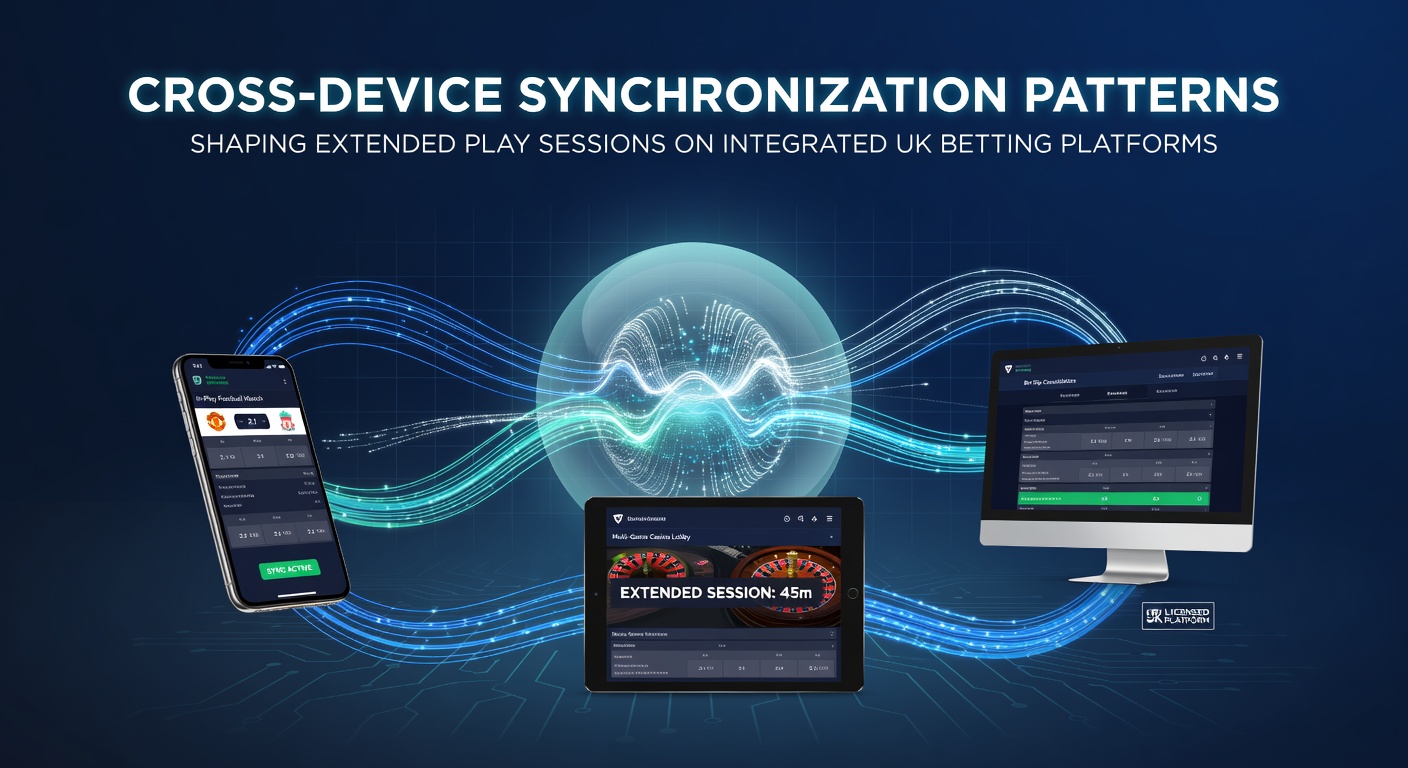
Integrated betting platforms in the UK have developed systems that keep user sessions active across multiple devices, and data shows these features contribute directly to longer engagement periods. Operators maintain real-time updates for balances, open bets, and game states so that a player who starts on a desktop machine can continue the same activity on a smartphone without restarting processes. According to research from the University of Nevada’s International Gaming Institute, cross-device continuity reduces friction points that typically interrupt activity, allowing sessions to stretch beyond single-device limits.
Core Mechanisms Behind Device Continuity
Cloud-based account management forms the foundation of these systems, where servers store session data and push updates instantly to whichever device the user activates next. Login credentials remain consistent through secure token exchanges, while game interfaces adapt layouts automatically to screen sizes and input methods. Observers note that features such as live bet tracking and in-progress slot states transfer without data loss, which keeps momentum intact when users move between environments like home Wi-Fi and mobile networks.
UK platforms integrate these tools with loyalty programs that reward cumulative activity regardless of device, and figures reveal average session lengths have increased as continuity improves. A report published by the Interactive Games & Entertainment Association in Australia highlights similar patterns in markets with advanced synchronization, where players who switch devices record 28 percent longer total play durations compared with single-device users.
Observed Patterns in Extended Sessions
Usage data indicates distinct rhythms emerge when synchronization operates smoothly. Morning commuters often begin on tablets at home, switch to phones during travel, and finish on desktops later in the day, creating continuous chains that last several hours. Evening patterns show the reverse flow, with users moving from work devices to personal mobiles during commutes home. These transitions occur without repeated logins or bet re-entry, which maintains engagement levels that single-device sessions rarely sustain.
One documented case involved a user who opened a live dealer table on a laptop, paused during a work meeting by switching to a phone for balance checks, then resumed the same table on a tablet in the evening. Platform logs captured the unbroken sequence across three devices over six hours, a duration that exceeded typical single-device limits by a wide margin. Such examples appear regularly in aggregated analytics from major operators.
Technical Integration and Regulatory Context
Developers build these capabilities using APIs that connect front-end applications with centralized back-end databases, ensuring every action registers across all linked devices in real time. Security protocols encrypt data transfers while preserving speed, and operators test compatibility across operating systems to prevent drop-offs during switches. By June 2026, industry projections expect further refinements in latency reduction, which could push average session extensions even higher based on current growth curves.
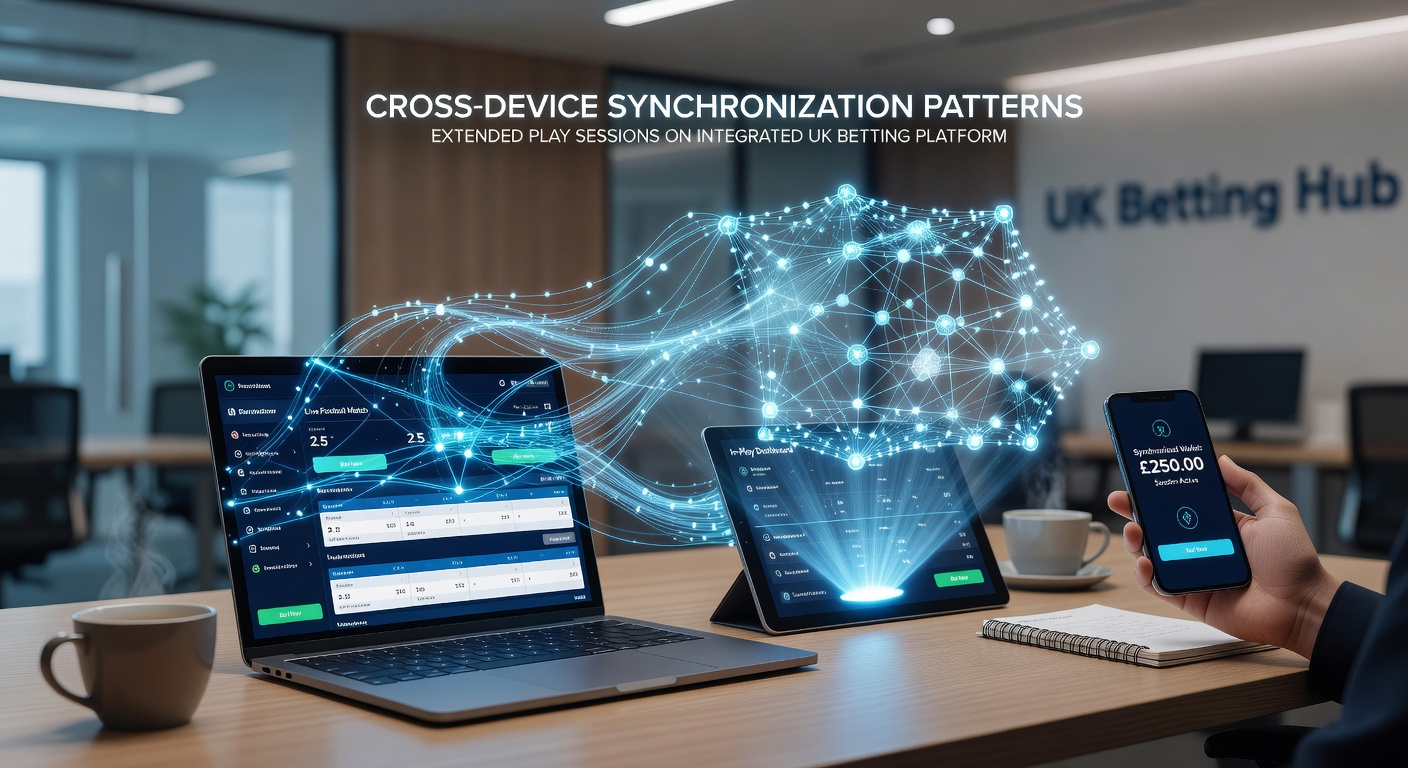
Analytics dashboards allow operators to track device transitions and identify peak synchronization moments, revealing clusters where users remain active longest. These insights guide updates that prioritize seamless handoffs during high-traffic periods such as major sporting events or evening peak hours.
Impact on User Behavior Across Demographics
Younger users demonstrate the highest frequency of device switching, often alternating between phones and tablets within single sessions, while older demographics tend toward fewer but longer transitions involving desktops. Both groups record extended overall play when synchronization functions without interruption, according to aggregated platform metrics. Loyalty features tied to continuous activity further encourage these patterns by granting incremental rewards that accumulate across devices.
Research indicates that interruptions from device changes drop significantly on integrated systems, removing the friction that once caused users to abandon sessions mid-activity. The result appears in higher retention rates for accounts that regularly utilize multiple access points.
Conclusion
Cross-device synchronization has become a standard component of UK betting platforms, with measurable effects on session duration documented through operator data and independent studies. As integration deepens, patterns of extended play tied to seamless transitions continue to shape how users interact with these services across varied daily routines.