31 May 2026
Mobile UX Patterns Behind Extended Sessions in Britain's Licensed Betting Apps
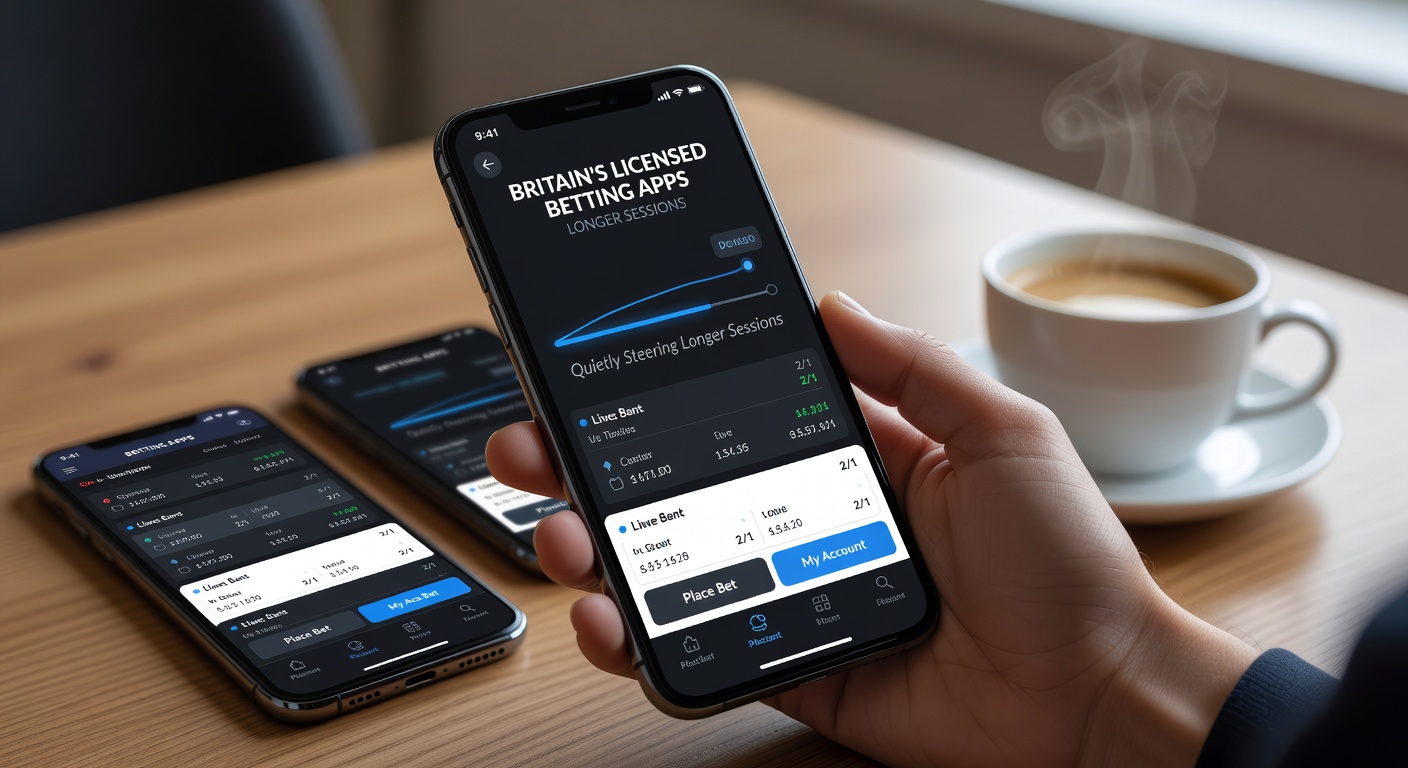
British licensed betting apps incorporate several mobile interface elements that data shows correlate with increased session durations, and researchers continue tracking these patterns through 2026. App developers deploy infinite scroll mechanics alongside real-time odds updates, which keep users engaged without requiring manual refreshes, while push notifications alert players to live events or account milestones at intervals designed to prompt returns within minutes.
Core Design Elements at Play
Interface layouts place deposit buttons prominently in thumb-reach zones, and this placement reduces friction during betting sequences according to industry reports. Quick-bet sliders allow stake adjustments with single gestures, whereas session duration counters remain subtle or optional rather than default displays. Observers note that these choices align with broader mobile design trends observed across digital entertainment sectors, where similar features extend time on platform through reduced cognitive load.
Personalized recommendation engines surface next bets based on prior activity, and algorithms refresh suggestions continuously during active use. Data from user behavior studies indicates that such tailoring contributes to longer continuous sessions, especially when combined with streak-based rewards that unlock after repeated interactions within the same hour. Those who've examined app analytics find that color-coded progress bars and micro-animations further sustain attention by providing immediate visual feedback on account status.
Trends Observed Through Mid-2026
Figures compiled in May 2026 reveal measurable shifts in average session lengths across multiple licensed platforms, with mobile traffic accounting for over seventy percent of total engagement time. External analyses link these increases to iterative updates in navigation flows rather than content volume alone, and comparisons with desktop versions show mobile users averaging twenty to thirty percent longer visits per login. Researchers from the University of Nevada, Las Vegas have documented parallel patterns in other regulated markets, noting how gesture-based controls and background data syncing maintain connectivity without user-initiated actions.
Notifications scheduled around peak evening hours or major sporting fixtures demonstrate higher response rates, which in turn feed into subsequent activity loops. Industry organizations tracking digital gambling behaviors report that apps integrating biometric login options see faster re-entries after brief pauses, effectively shortening the gap between separate sessions and extending overall daily exposure. University of Nevada Las Vegas studies highlight that these technical conveniences operate within existing compliance frameworks yet produce cumulative effects on time spent.
Comparative Data Across Regions
Similar mobile design approaches appear in other jurisdictions, and reports from Australia's communications regulator document comparable session extensions following interface simplifications introduced in prior years. Canadian provincial gaming authorities have likewise published summaries showing mobile-first updates coinciding with sustained user presence metrics, although direct causation remains under ongoing review through longitudinal datasets. These cross-border observations suggest the phenomenon stems from shared software development practices rather than jurisdiction-specific rules.
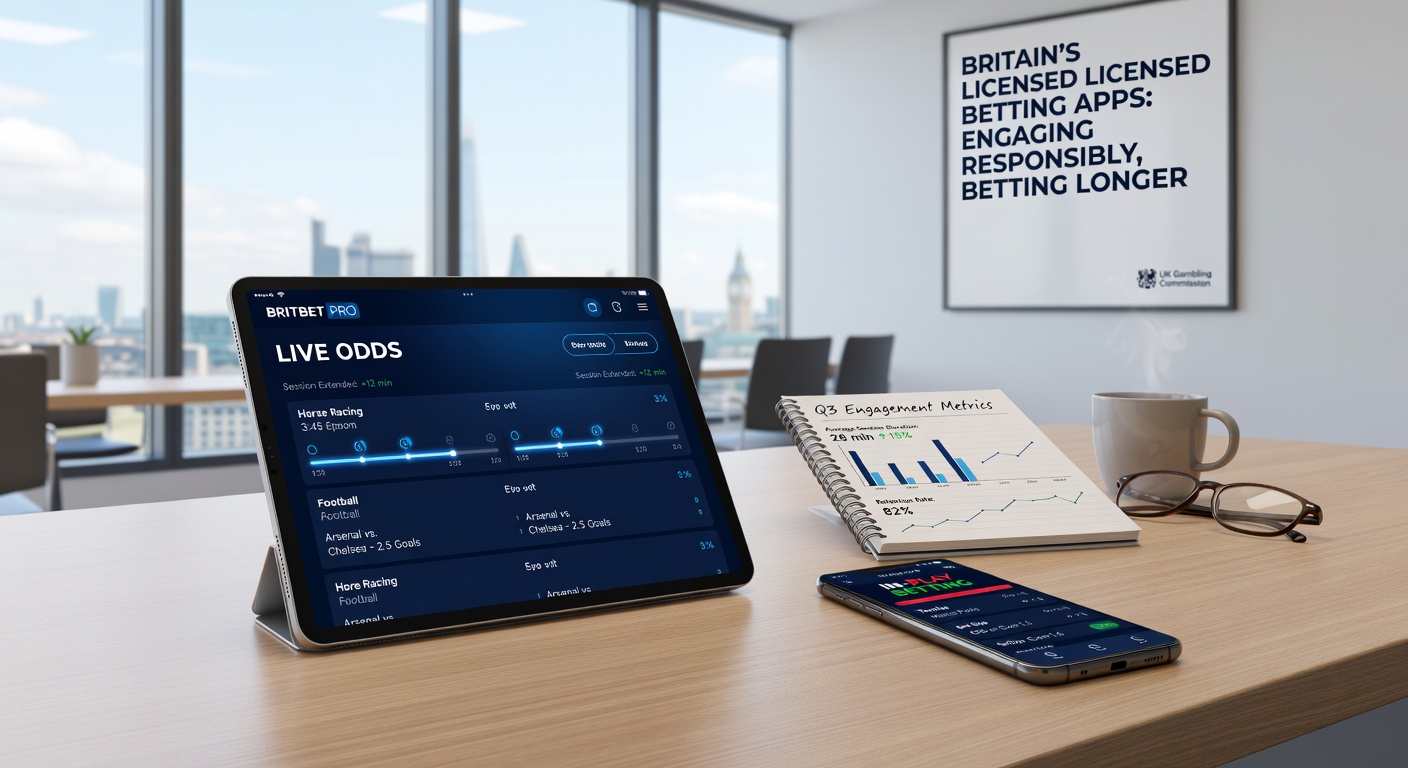
One study released in early 2026 examined swipe gestures and auto-refresh capabilities in detail, finding that apps minimizing screen transitions recorded higher completion rates for multi-bet sequences. Those analyzing heat-map data observe that users linger longer on screens featuring dynamic content updates, such as shifting team statistics or accumulating loyalty points, because the motion itself signals ongoing value without requiring navigation elsewhere.
Implementation Examples from Licensed Operators
Take the case of several major platforms that introduced unified wallet interfaces in late 2025, and subsequent metrics indicated users completed funding actions more rapidly before returning to betting screens. Another set of updates streamlined live chat support access through persistent floating icons, which reduced exit rates during complex queries and kept individuals within the app environment. Observers tracking these rollouts note that each change builds on prior versions, creating layered interactions that accumulate into extended time on device.
Academic papers examining digital interfaces more broadly point out that variable reward schedules, delivered through app notifications, mirror mechanisms studied in behavioral psychology, and licensed betting environments apply these at scale through mobile channels. Data indicates that users receiving tailored prompts during active sessions exhibit fewer voluntary exits compared with those on static layouts, although individual responses vary based on account history and preference settings.
Conclusion
Interface decisions in Britain's licensed betting apps continue shaping session patterns through 2026, with mobile-specific features driving measurable differences in engagement duration. External research from institutions across multiple regions provides context for these developments, while ongoing data collection tracks further refinements in design. Licensed operators maintain these platforms under established regulatory structures, and the resulting user behavior metrics offer concrete indicators of how layout choices influence time allocation on screen.