23 Jul 2026
Loyalty Tiers Influence Repeat Engagement Patterns in Digital Slots and Live Tables
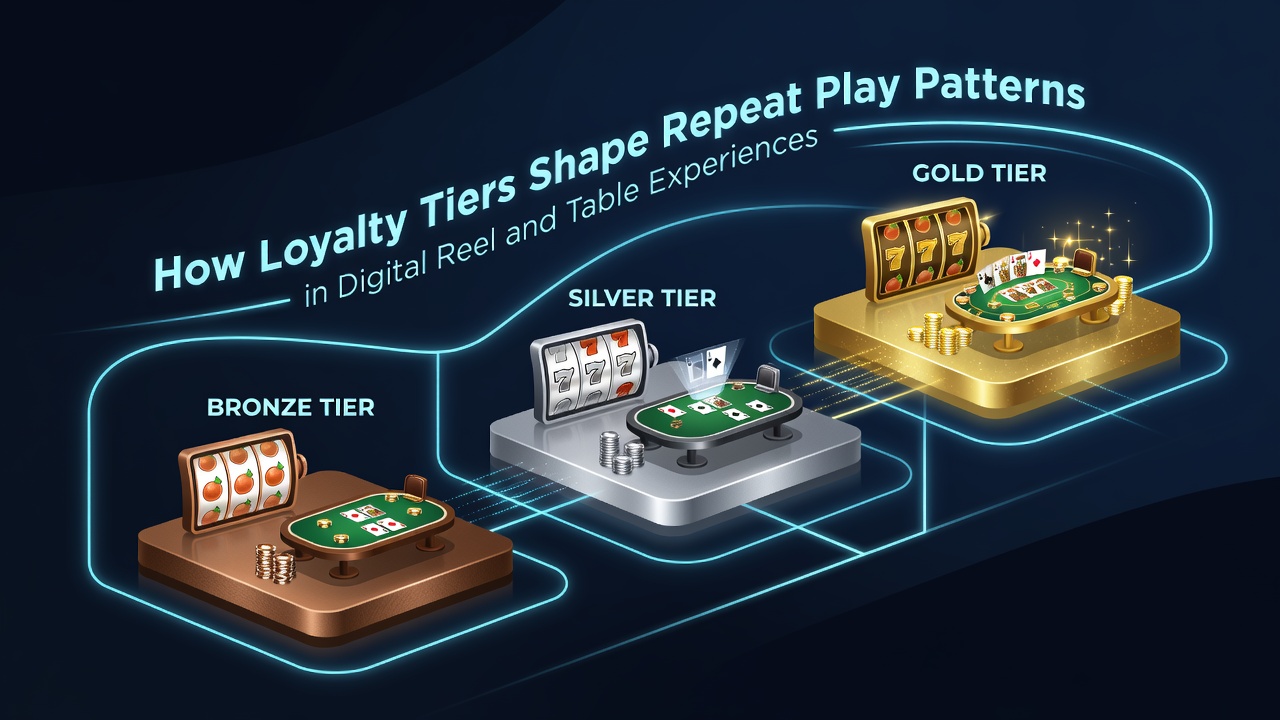
Digital gaming platforms organize player rewards through structured loyalty tiers that track activity across reel-based games and table offerings, and these systems directly affect how often participants return to play. Points accumulate based on wager volume, and higher tiers unlock benefits such as increased cashback percentages, exclusive tournament access, and personalized bonus structures that encourage sustained sessions.
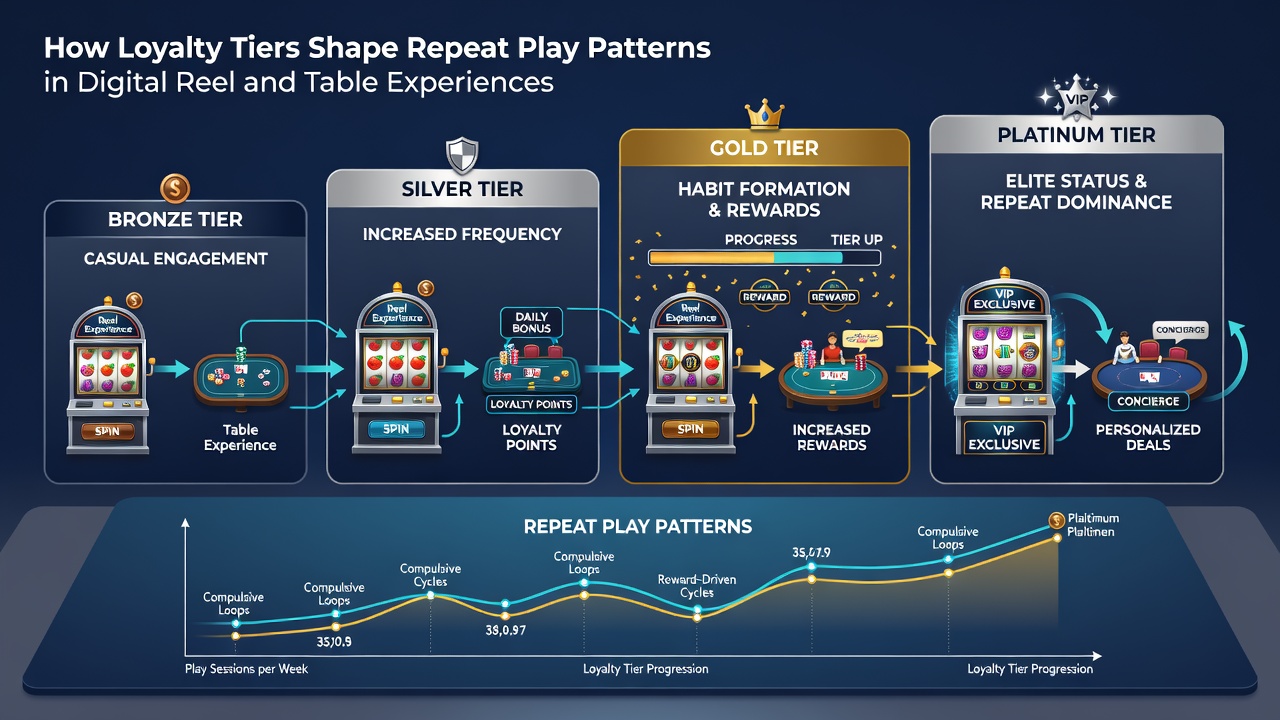
Operators assign tiers using algorithms that calculate lifetime value and recent play frequency, which creates clear incentives for users to maintain or advance their status. Bronze-level participants receive basic rewards, while gold or platinum members gain access to dedicated account managers and accelerated point redemption rates that make continued play more advantageous.
Mechanics Behind Tier Advancement and Retention
Points systems typically convert every dollar wagered into loyalty credits at rates that vary by game type, with slot machines often awarding credits faster than table games due to higher spin volumes. Players who reach new tiers unlock milestone bonuses, and these rewards frequently reset qualification periods annually, prompting renewed activity to secure the same benefits in subsequent cycles.
Data from industry reports shows that participants in mid-tier brackets demonstrate longer average session durations compared to entry-level users, because the perceived value of upcoming perks motivates extended engagement. Advancement thresholds require specific point totals within defined timeframes, and those who fall short receive targeted communications that highlight remaining requirements.
Patterns in Reel-Based Games
Slot sessions respond strongly to tier incentives because automated tracking captures every spin without interruption, allowing rapid point accumulation that accelerates progress toward the next level. Research indicates players at higher tiers adjust their bet sizes upward to maximize daily point earnings, which extends playtime and increases overall platform interaction.
Multipliers on loyalty points during promotional windows further amplify this effect, and participants often schedule sessions around these events to optimize advancement speed. Observers note that reel games see repeat logins spike immediately after tier resets, as users work to rebuild their standing before competitors.
Effects on Table Game Participation
Table experiences incorporate loyalty tracking through dealer-reported or electronic monitoring systems that log bet totals and game duration, yet the pace of point earning tends to be slower than in slots. Higher-tier players receive table-specific perks such as reduced minimum bets during off-peak hours and invitations to private dealer events, which sustain interest across blackjack, roulette, and poker variants.
Studies from the University of Nevada Reno's gaming research division reveal that table game users at premium tiers return more consistently on weekends, when live dealer availability peaks and combined rewards from both game categories compound. This pattern holds because the social elements of tables pair with loyalty milestones to create habitual visit schedules.
Comparative Data Across Platforms
Figures from the American Gaming Association indicate that loyalty programs account for measurable increases in monthly active users when tier benefits scale progressively, and operators in regulated markets report retention rates climbing as participants near qualification deadlines. European sources such as the European Gaming and Betting Association document similar trends where tiered structures correlate with higher cross-game exploration, as players test new titles to fulfill point requirements.
Those who monitor player databases observe that churn decreases once users surpass the second tier, because accumulated benefits create switching costs that discourage migration to competing sites. Seasonal adjustments to point multipliers during major sporting events or holiday periods further reinforce these repeat patterns across both reel and table formats.
Conclusion
Loyalty tiers function as structured frameworks that align player effort with escalating rewards, and evidence from multiple jurisdictions confirms their role in shaping consistent activity levels. Platforms continue to refine these systems through data analysis that identifies optimal threshold points and benefit packages, which sustains engagement across digital reel and table environments well into future regulatory periods including updates scheduled for July 2026.