21 Jul 2026
Certified Random Number Generators Underpin Fairness Standards for Britain's Online Table Games
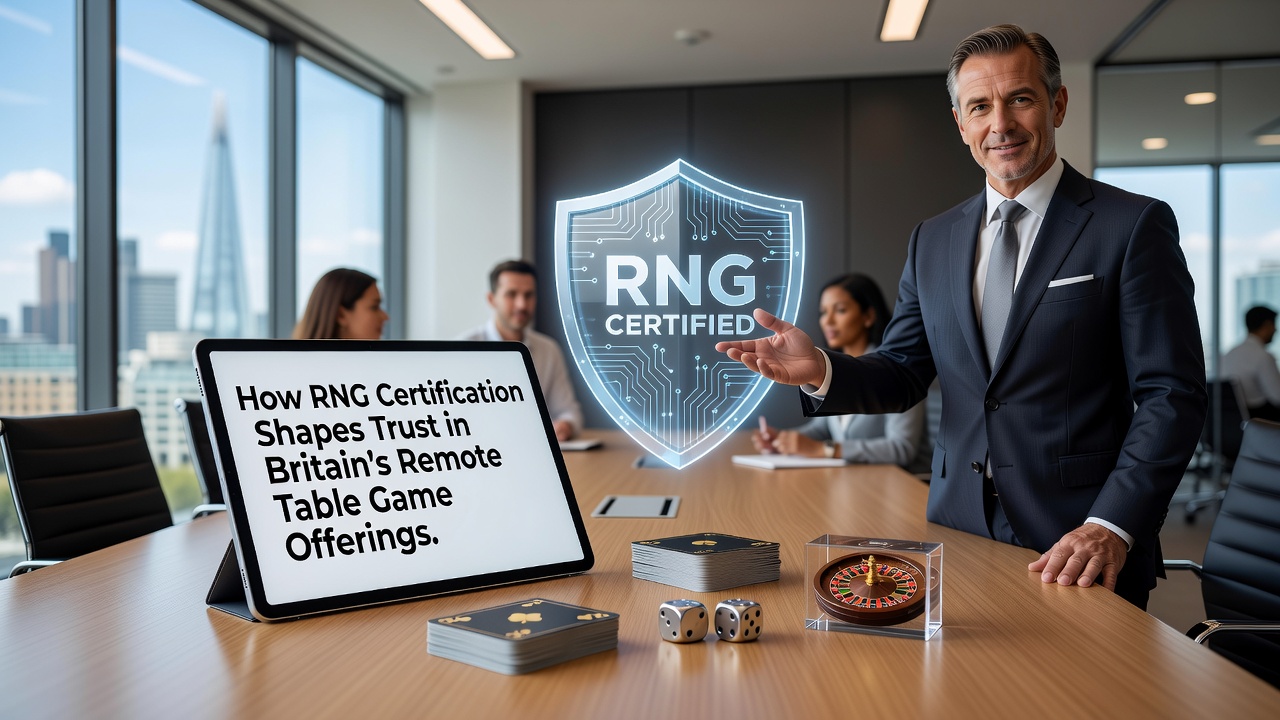
Remote table games such as virtual blackjack and roulette rely on Random Number Generators to determine outcomes, and certification ensures those systems meet strict statistical benchmarks for unpredictability and fairness. Independent laboratories conduct extensive testing sequences that examine millions of generated numbers against established randomness criteria before issuing approval.
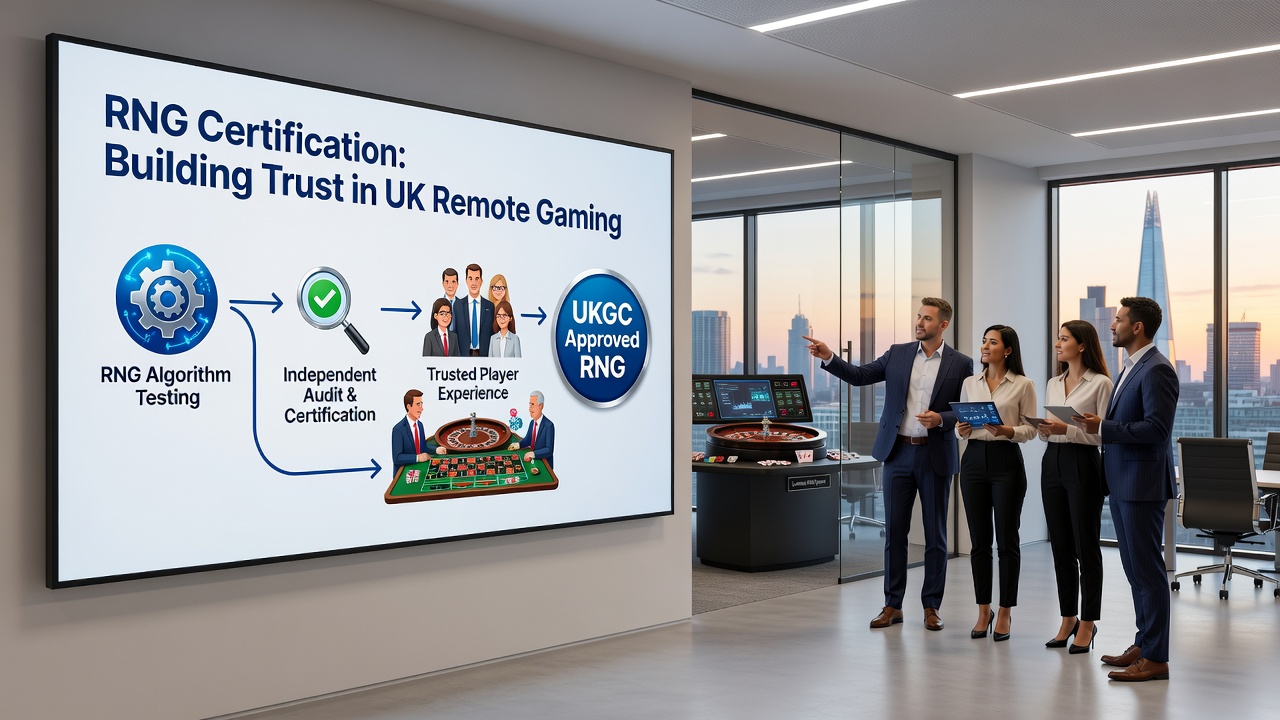
Certification bodies like Gaming Laboratories International examine source code, hardware configurations, and output distributions while regulators in various jurisdictions require periodic re-evaluations to maintain ongoing compliance. Those evaluations cover aspects including scaling algorithms and seed generation methods that prevent patterns from emerging over extended play sessions.
Testing Protocols That Verify Randomness
Laboratories apply multiple statistical suites including diehard tests and NIST standards to confirm uniform distribution across possible results, and they also simulate high-volume play scenarios to detect any deviation that might favor the house beyond mathematical expectations. Experts note that certified systems undergo both theoretical analysis and practical stress testing before deployment on British platforms.
One study from a Canadian research institution revealed that uncertified RNG implementations occasionally produced subtle clustering effects after prolonged operation, whereas certified versions maintained consistent statistical properties throughout extended trials. Those findings prompted many operators to prioritize third-party verification as a core component of their technical infrastructure.
Player Confidence in Digital Table Environments
Players access remote table games through platforms that display certification seals from recognized auditors, and this visibility allows participants to verify that outcomes derive from audited processes rather than proprietary systems hidden from scrutiny. Data shows increased session durations on sites that prominently feature current certification details alongside game rules.
Researchers at an Australian university examined transaction records across multiple markets and found that platforms carrying active RNG certifications experienced higher retention rates compared to those without recent audits. The study linked this pattern to greater willingness among users to engage with higher-stake table options when fairness documentation was readily available.
Integration With Broader Regulatory Shifts
Upcoming compliance frameworks scheduled for implementation by July 2026 emphasize enhanced technical standards for all remote gaming products, including mandatory updates to RNG validation intervals and expanded documentation requirements. Observers note these changes align with similar updates already underway in several European markets where certification cycles have shortened to quarterly reviews.
Industry reports from the Gaming Laboratories International indicate that operators who maintain continuous certification programs encounter fewer technical disputes and smoother approval processes when new regulatory layers take effect. Those programs typically include real-time monitoring tools that flag any performance drift before it affects game integrity.
International Benchmarks and Cross-Border Standards
Many certification laboratories operate under mutual recognition agreements that allow test results from one jurisdiction to support applications in others, reducing duplication while preserving rigorous evaluation criteria. This approach proves particularly relevant for British operators who source software from international developers already holding approvals from bodies such as the Nevada Gaming Control Board.
Figures released by the Nevada Gaming Control Board demonstrate that RNG-certified systems in regulated markets show variance rates within expected mathematical parameters across millions of recorded outcomes. British platforms adopting comparable certification frameworks benefit from these established benchmarks when demonstrating operational integrity to stakeholders.
Conclusion
RNG certification establishes measurable criteria that underpin operational transparency in Britain's remote table game sector, and the process connects technical verification with regulatory expectations that continue to evolve. Platforms that maintain current certifications position themselves to meet both existing requirements and the adjustments anticipated for July 2026. Independent testing remains central to sustaining verifiable fairness across virtual card and wheel games as participation volumes grow.