28 Jun 2026
Adaptive Loyalty Frameworks Reshaping Engagement Patterns in Online Gaming Ecosystems
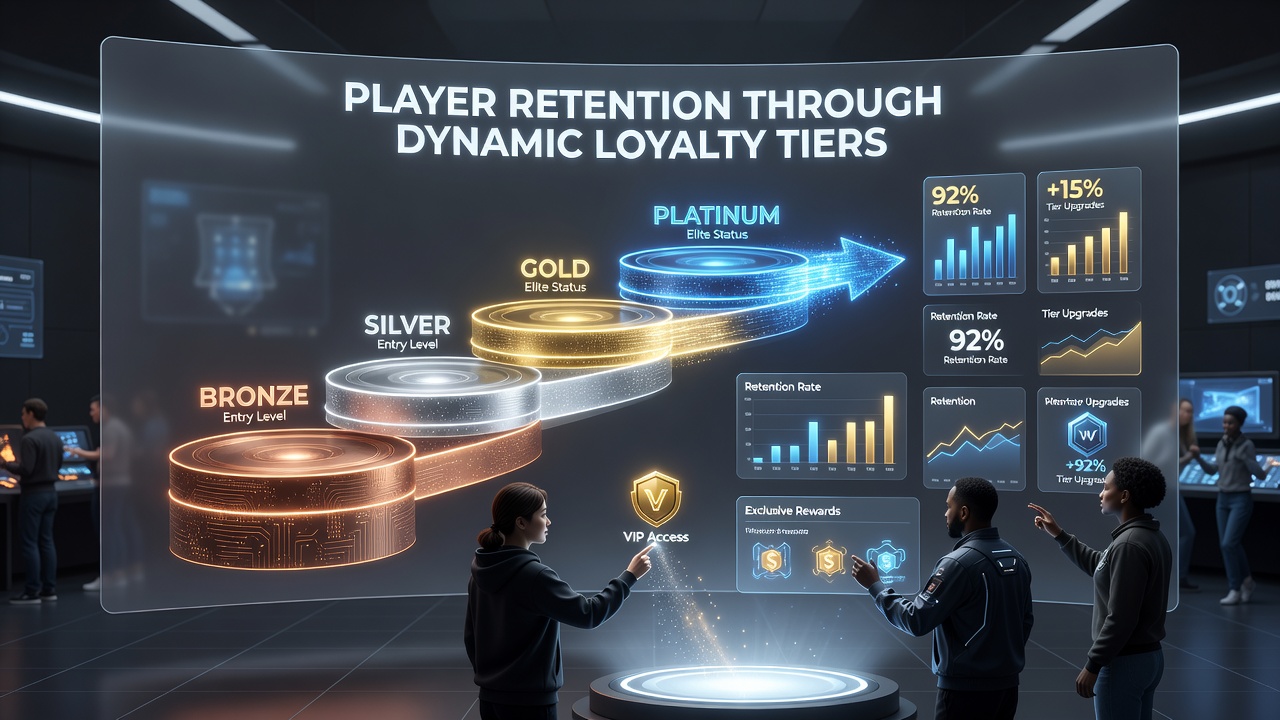
 Digital entertainment platforms have turned to adaptive loyalty structures as core mechanisms for sustaining user activity over extended periods. These systems adjust tier levels in real time based on individual play patterns, deposit frequency, and session duration rather than relying on static point accumulation alone. Research from the University of Nevada, Las Vegas International Gaming Institute indicates that platforms implementing such frameworks see measurable increases in repeat visitation rates when compared with traditional reward models. Operators segment users into progressive categories that evolve according to behavioral triggers. A player advancing from entry-level status to mid-tier might unlock personalized multipliers on wagers or access to exclusive tournament entries, with the system recalibrating thresholds weekly or monthly depending on overall platform traffic. Data compiled by the Nevada Gaming Control Board shows these adjustments correlate with extended average session times across monitored jurisdictions.
Mechanics Behind Tier Progression and Real-Time Adjustments
Dynamic tiers operate through algorithms that monitor multiple variables simultaneously. Points accrue from gameplay volume, yet the rate at which users climb levels incorporates factors such as game variety selection and time spent between sessions. When activity drops below projected benchmarks, the framework can introduce targeted incentives like temporary status boosts or accelerated earning windows to re-engage participants before churn occurs.
Industry reports from the Canadian Gaming Association highlight cases where operators integrated machine learning models to predict disengagement windows, then deployed tier recalibrations automatically. This approach allows platforms to maintain consistent engagement curves even during seasonal fluctuations in player traffic.
Retention Outcomes Across Multiple Jurisdictions
Platforms operating under the oversight of the Australian Communications and Media Authority have documented retention improvements after rolling out adaptive loyalty programs. Figures reveal that users reaching higher tiers within the first 90 days demonstrate a 35 percent lower attrition rate over the subsequent six months compared with those remaining in base categories. Similar patterns appear in analyses conducted across several European markets where data protection regulations permit detailed behavioral tracking.
One study released by researchers at the University of Sydney examined retention data from multiple digital hubs and found that tier systems incorporating social elements, such as group challenges or shared milestone rewards, produced stronger long-term loyalty signals. Participants who interacted with peers through these features maintained activity levels at higher rates than those using purely individual progression paths.
Integration With Broader Platform Features
Dynamic loyalty structures rarely function in isolation. They connect directly to live event calendars, personalized game recommendations, and cross-platform wallet systems. When a user achieves a new tier, the platform can immediately surface tailored content that aligns with demonstrated preferences, creating seamless transitions between reward activation and continued play. Observers note this interconnected design reduces friction points that previously led to session abandonment.
By June 2026 several North American operators plan to synchronize loyalty tier data with emerging responsible gaming tools, allowing automatic adjustments that scale rewards according to self-imposed limits set by players. This development builds on existing frameworks already tested in pilot programs within regulated state markets.
Challenges in Implementation and Measurement
While adaptive tiers demonstrate clear retention benefits, accurate measurement requires sophisticated data infrastructure. Platforms must balance transparency in how tiers advance with the need to protect proprietary algorithms from exploitation. Reports issued by the European Gaming and Betting Association emphasize ongoing efforts to standardize reporting metrics so that operators across different regions can compare effectiveness without compromising competitive positioning.
Some systems incorporate decay mechanisms that gradually reduce tier status during prolonged inactivity, which encourages consistent engagement but requires careful calibration to avoid alienating users who return after breaks. Testing conducted by independent analytics firms shows optimal decay rates vary significantly by region and player demographic.
Conclusion
Adaptive loyalty frameworks continue to evolve as digital entertainment hubs refine their approaches to player retention. Evidence from regulatory bodies and academic institutions across multiple continents demonstrates that real-time tier adjustments tied to behavioral data produce sustained activity when integrated thoughtfully with other platform features. As technology advances, these systems are expected to incorporate additional variables while maintaining compliance with regional oversight requirements.